
Quick Travel Facts
Summary
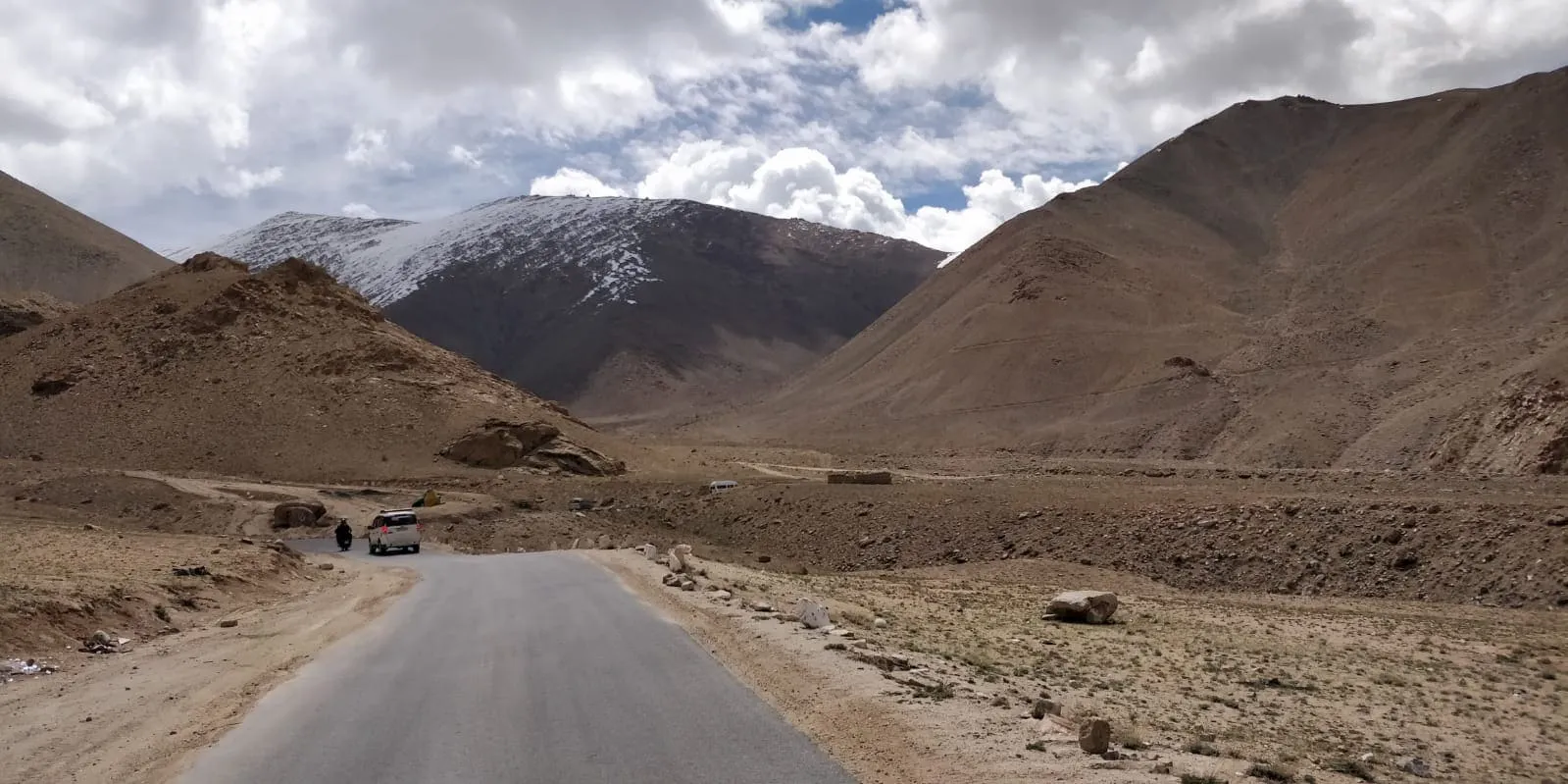
You’ll truly experience the mamoth Himalayas in Leh. The Valleys are so vast that you can actually feel the emptiness and calmness between two peaks.
You can rent a bike here and drive through highest motorable roda of the world. The peeks are so high in alleviation that you might need medicine to keep your blood oxygenated.
Leh is a city in the Indian union territory of Ladakh. It is located in the Himalayan mountain range, and is known for its stunning landscapes, Buddhist monasteries, and ancient architecture. Leh is home to a number of cultural attractions, such as the Leh Palace, the Shanti Stupa, and the Thiksey Monastery. Additionally, Leh is home to a number of festivals, such as the Hemis Festival and the Ladakh Festival. Additionally, Leh is home to a number of educational institutions, such as the Central Institute of Buddhist Studies and the Ladakh University. Additionally, Leh is home to a number of parks and gardens, such as the Leh Botanical Garden and the Magnetic Hill Park. Additionally, Leh is home to a number of wildlife sanctuaries, such as the Hemis National Park and the Tso Moriri Wetland Conservation Reserve. Additionally, Leh is home to a number of shopping and dining options, such as the Leh Bazaar and the Leh Main Market.
Things to do in Leh
Leh is home to a number of cultural attractions, such as the Leh Palace, the Shanti Stupa, and the Thiksey Monastery. Additionally, Leh is home to a number of festivals, such as the Hemis Festival and the Ladakh Festival. Additionally, Leh is home to a number of educational institutions, such as the Central Institute of Buddhist Studies and the Ladakh University. Additionally, Leh is home to a number of parks and gardens, such as the Leh Botanical Garden and the Magnetic Hill Park. Additionally, Leh is home to a number of wildlife sanctuaries, such as the Hemis National Park and the Tso Moriri Wetland Conservation Reserve. Additionally, Leh is home to a number of shopping and dining options, such as the Leh Bazaar and the Leh Main Market.
Leh is also home to a number of outdoor activities, such as trekking, mountain biking, and white water rafting. Additionally, Leh is home to a number of cultural events, such as the Ladakh International Film Festival and the Ladakh Music Festival. Additionally, Leh is home to a number of museums, such as the Ladakh Arts and Media Organisation and the Ladakh Ecological Development Group. Additionally, Leh is home to a number of religious sites, such as the Shey Monastery and the Spituk Monastery. Additionally, Leh is home to a number of restaurants, cafes, and bars, such as the Tibetan Kitchen and the German Bakery. Additionally, Leh is home to a number of hotels and guesthouses, such as the Grand Dragon Ladakh and the Hotel Dragon Ladakh.
Frequently Asked Questions
Q: How many days are needed to acclimatize in Leh before starting activities?
Q: What is the best time of year to visit Leh Ladakh?
Q: Do Indian tourists need permits to visit Pangong Lake and Nubra Valley?